
Why Yearly Diabetic Eye Exams Are Crucial for Long-Term Sight

Diabetes can impact many parts of the body, including the small blood vessels in the eyes. Over time, high blood sugar can damage the retina, which is the light-sensitive tissue at the back of the eye. This can lead to diabetic retinopathy, a serious eye condition that may progress without obvious warning signs.
That is why yearly diabetic eye exams are so important. Even if your vision seems clear, changes can be developing in the background. A comprehensive eye exam allows your eye doctor to check for early signs of diabetic eye disease and help protect your long-term sight.
What Makes A Diabetic Eye Exam Different?
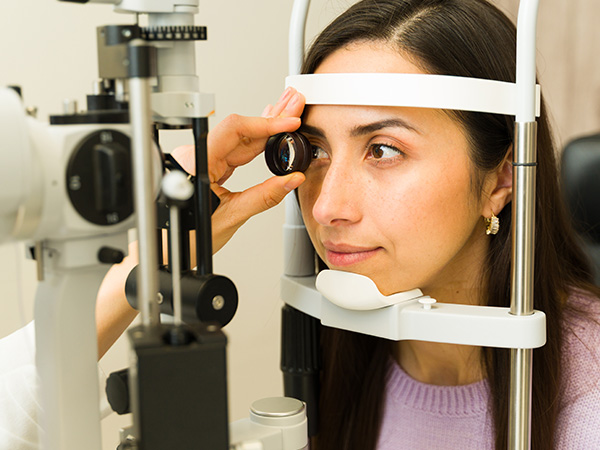
A diabetic eye exam looks deeper than a basic vision screening. While a standard eye exam may check how well you see and whether your prescription has changed, a diabetic eye exam focuses closely on the health of the retina and other structures inside the eye.
Your eye doctor may evaluate the blood vessels in the retina, check for swelling or leaking, and look for signs of changes that could affect your vision. Detecting these problems early gives you more options for monitoring, management, and referral when needed.
Why Annual Eye Exams Matter For Long-Term Vision
Diabetic eye disease is often easier to manage when it is found early. Many people do not realize there is a problem until vision becomes blurry, distorted, or difficult to rely on. By that point, the condition may already be more advanced.
Yearly diabetic eye exams help your eye care team track changes over time. If your eyes are stable, your doctor can continue monitoring them regularly. If there are early signs of concern, they can recommend the next steps before vision loss becomes more likely.
What Your Eye Doctor May Look For
During a diabetic eye exam, your eye doctor may check for several diabetes-related eye concerns, including:
• Diabetic retinopathy, which affects the retinal blood vessels
• Diabetic macular edema, which can cause swelling in the central vision area
• Cataracts, which may develop earlier in people with diabetes
• Glaucoma, which can damage the optic nerve and affect peripheral vision
These conditions do not always cause pain or immediate symptoms, which is why routine care matters.
A Smart Step In Your Diabetes Care Plan
Managing diabetes involves more than checking blood sugar. Your eyes are an important part of your overall health, and regular eye care should be included in your yearly routine. A diabetic eye exam can provide valuable information for both your vision and your long-term wellness.
If you have diabetes, have been told you are prediabetic, or have not had a diabetic eye exam in the past year, now is a good time to schedule one. Staying consistent with eye exams can help you protect your sight and feel more confident about your health.
Schedule your yearly diabetic eye exam with Owensville Family Eye Care and take an important step toward protecting your long-term vision and eye health. Contact our office in Owensville, MO by calling (573) 437-8004 to book an appointment today.
Quick Links
Helpful Articles
All Eye Care Services
Find personalized eye care excellence with our comprehensive services. From eye exams to advanced diagnostics, trust us for all your vision needs.

Keep In Touch
For non-urgent questions or to learn more about our services, contact us today!
- 531 E Washington Ave,
Owensville, MO 65066 - Phone: (573) 437-8004
- Fax: (573) 437-8005
- Monday 8:00am - 5:00pm
- Tuesday 9:00am - 4:00pm
- Wednesday 9:00am - 5:00pm
- Thursday 9:00am - 4:00pm
- Friday 9:00am - 3:00pm
- Saturday Closed
- Sunday Closed
- Monday
- Tuesday
- Wednesday
- Thursday
- Friday
- Saturday
- Sunday
- Monday
- Tuesday
- Wednesday
- Thursday
- Friday
- Saturday
- Sunday
© 2026 Owensville Family Eye Care. All rights Reserved - Accessibility Statement - Privacy Policy - Sitemap
Managed and Designed by 